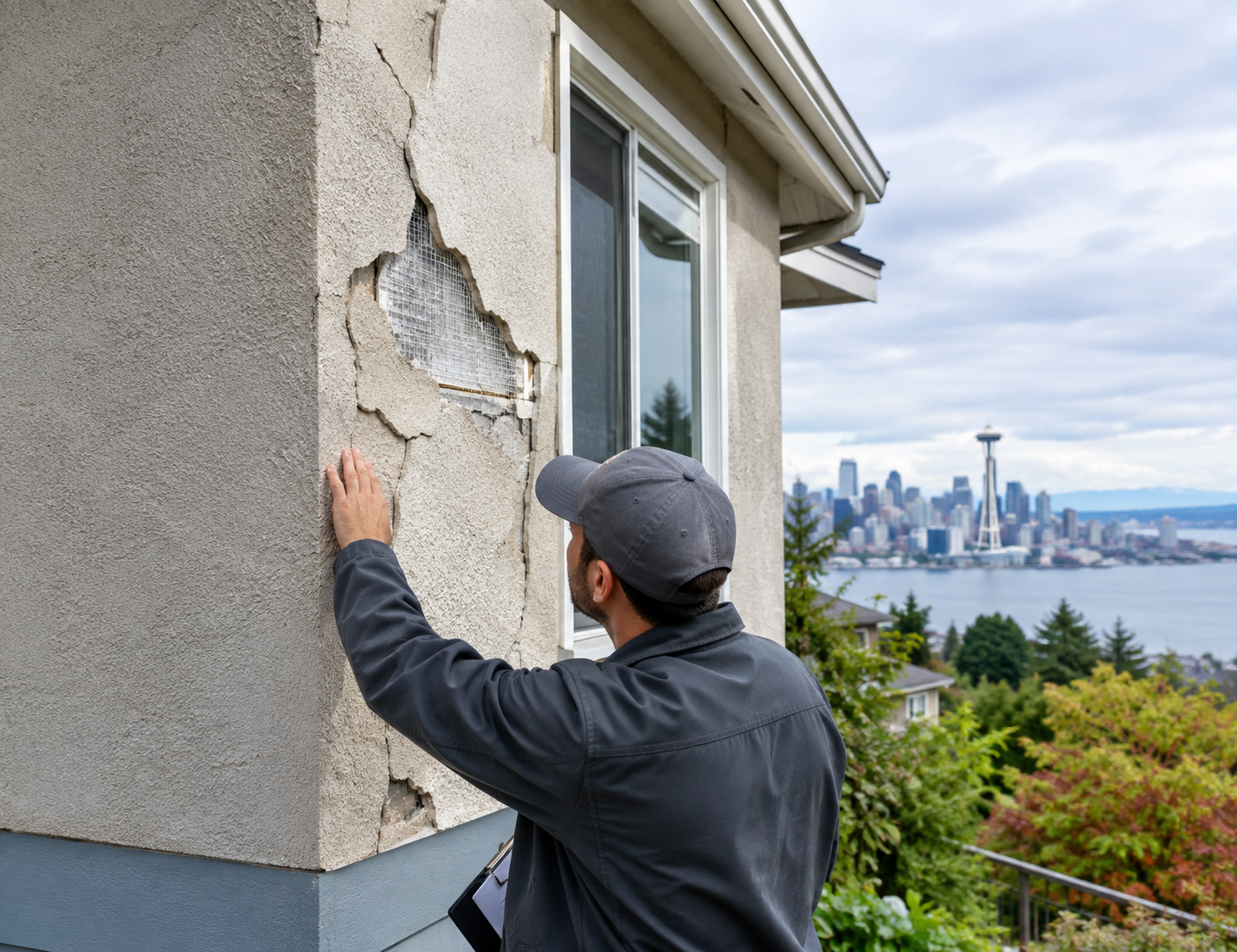

Stucco is a strong, long-lasting exterior finish—but like any system exposed to the Pacific Northwest’s wet seasons, it can show wear. One of the most common questions homeowners ask is: “Are these stucco cracks normal, or do I have a leak?”
The truth is: some cracks are purely cosmetic, while others are early warning signs of moisture intrusion behind the wall. The key is understanding crack type, location, pattern, and what’s happening around windows, decks, and transitions—the areas where water problems usually begin.
Below is a practical guide to help you spot the difference and know when it’s time to bring in a professional inspection.
Why Stucco Cracks Happen (Even on Good Installations)
Stucco is a rigid finish. Small movement in a home—especially in our climate—can cause hairline cracking over time. Common causes include:
- Natural settling of framing and foundations
- Seasonal expansion and contraction from temperature changes
- Moisture-related movement in underlying materials
- Improper control joints or missing expansion joints
- Poorly detailed penetrations (hose bibs, vents, lights, fixtures)
- Issues around windows/decks where multiple materials meet
Not every crack is a disaster, but every crack is a signal worth reading.
Cosmetic Stucco Cracks (Usually Low Risk)
Cosmetic cracks are typically small, stable, and not connected to common leak points.
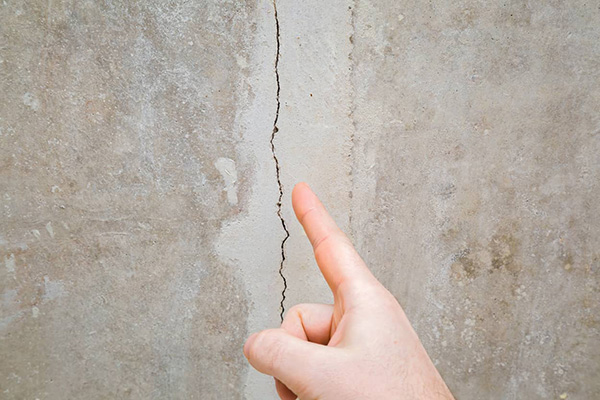
Hairline Cracks (“Spider Cracks”)
- Very thin cracks that look like a web or light branching pattern
- Usually limited to the surface finish
- Often caused by minor shrinkage in the finish coat or small movement
What to do:
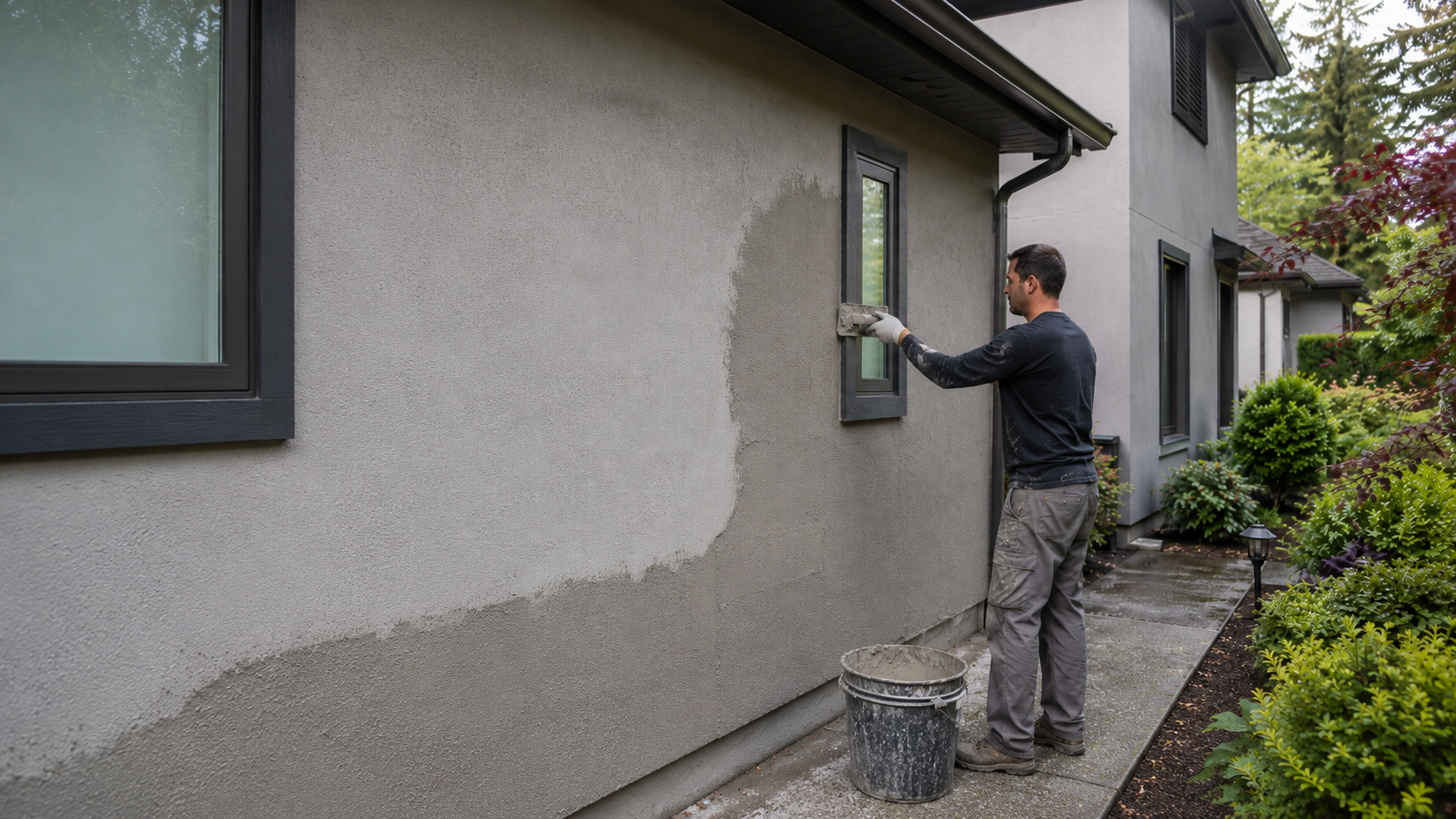
Monitor them and consider sealing/patching as part of routine maintenance—especially before the rainy season.
Small, Isolated Surface Cracks in Open Wall Areas
If the crack is:
- Short
- In the middle of a wall (not near a window/door/penetration)
- Not widening over time
- Not accompanied by staining or soft spots
…it’s often cosmetic.
What to do:
Patch and seal properly, and repaint/coat as needed.
Stucco Cracks That Can Signal Moisture Intrusion (Higher Risk)
These cracks are more likely to let water behind the system—or indicate water has already gotten in.
Cracks Around Windows and Doors
Cracks radiating from window corners, running along trim lines, or appearing where stucco meets frames can be a major red flag.
Why it matters:
Windows are one of the most common entry points for water—especially if flashing, sealants, or integration with the stucco system were done incorrectly.
Watch for:
- Staining below window corners
- Bubbling paint on interior drywall near windows
- Soft trim, swelling wood, or musty smells
Horizontal Cracks at Floor Lines
Cracks that run horizontally—especially at the level of a floor line—can suggest structural movement or a weak plane in the wall.
Why it matters:
Horizontal cracking can open pathways for water and may point to shifting or framing stress that needs attention.
Stair-Step Cracks (Brick Pattern Look)
These cracks step in a pattern like a staircase, often across areas where framing members or underlying materials meet.
Why it matters:
They can indicate movement or uneven stress—and if they intersect leak-prone areas, risk increases.
Cracks at Deck-to-Wall Connections
Deck transitions are high-risk. Water loves joints where:
- Deck ledger meets wall
- Waterproofing ties into stucco/EIFS
- Rail posts penetrate surfaces
- Flashing is missing or inadequate
If you see cracking here, take it seriously.
Cracks With Staining, Efflorescence, or Bulging
If a crack is paired with:
- Brown staining
- White chalky deposits (efflorescence)
- Blistering paint
- Bulging, soft spots, or hollow sounds when tapped
…that suggests water is present behind the stucco.