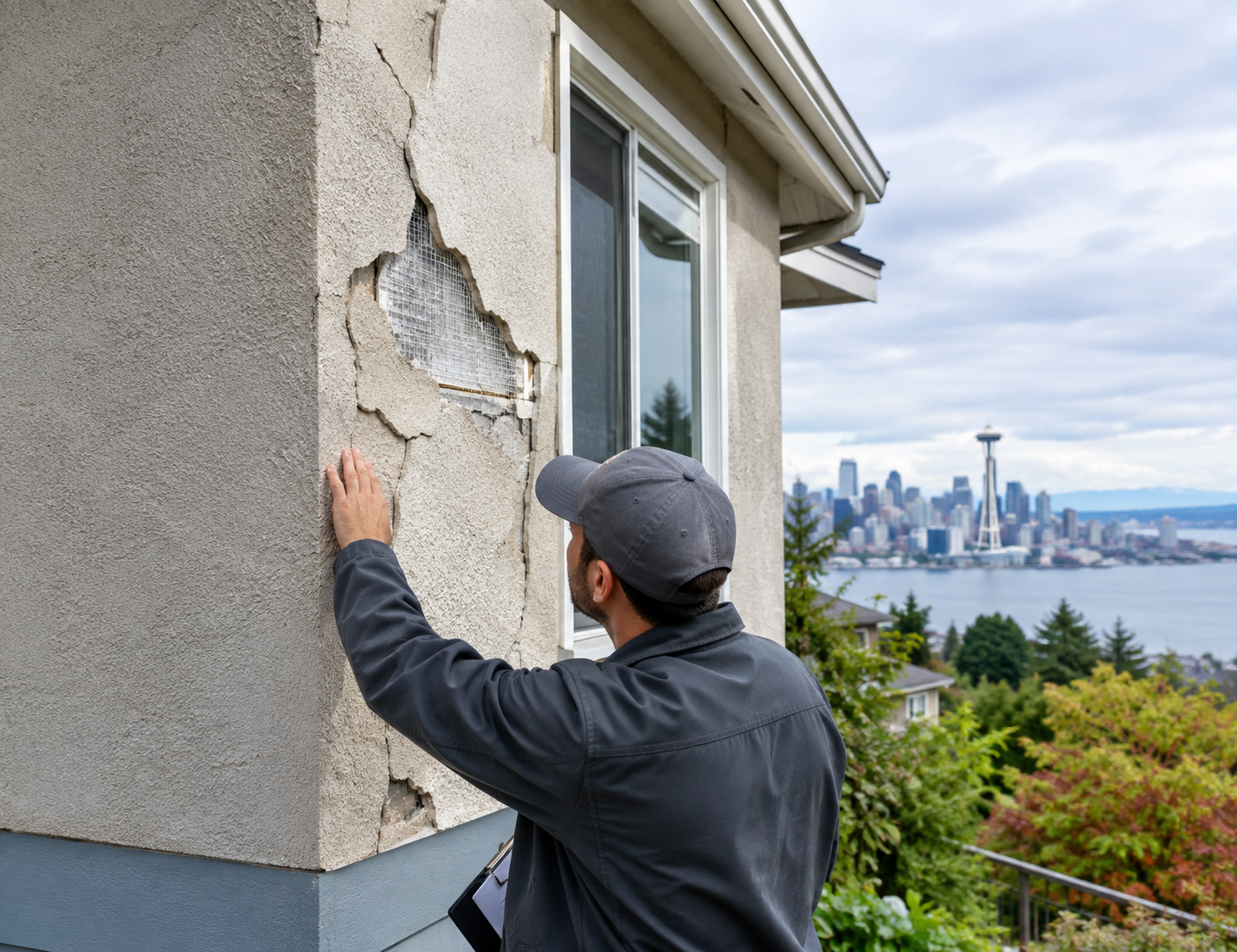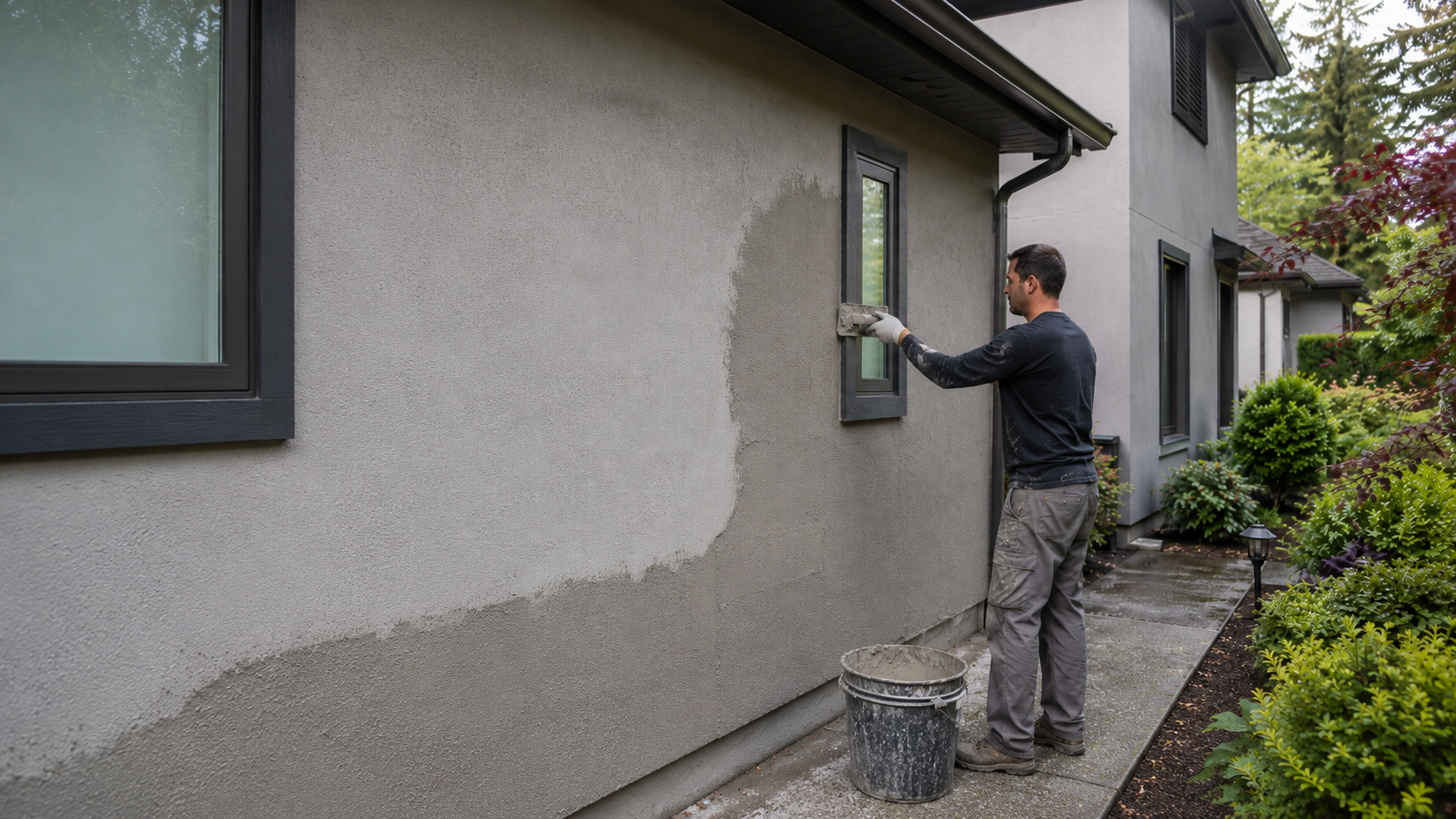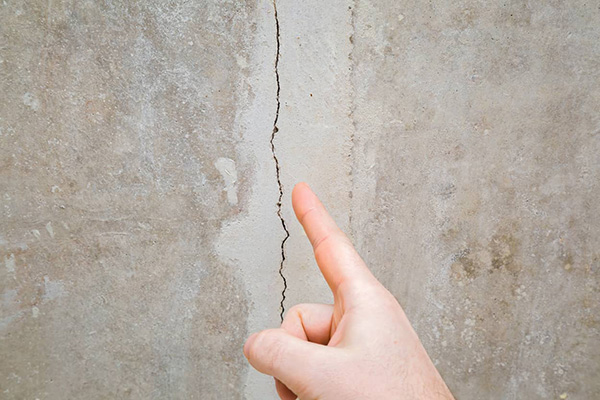

If your home was built in the 1980s, 1990s, or early 2000s and has a smooth, painted exterior finish, there is a good chance you are looking at EIFS or traditional stucco. Both can look great for decades, right up until moisture finds a way behind the surface. EIFS and stucco Seattle homes face a specific set of challenges that homes in drier climates simply do not deal with, and understanding those risks now can save you from a much larger repair bill later.
What Makes EIFS and Stucco Different
Traditional stucco is a cement based cladding that has been used for generations. It is breathable, meaning small amounts of moisture that get in can eventually work their way back out. EIFS, short for exterior insulation and finish system, looks similar from the curb but behaves very differently. It is a synthetic assembly built around rigid foam insulation, and unlike traditional stucco, it does not breathe. Once water gets past the outer finish, it has nowhere to go, which is exactly why EIFS and stucco Seattle homes need such careful attention to flashing and sealing details. Understanding this distinction is the first step for any homeowner trying to figure out why their exterior is showing signs of trouble.
Why Seattle’s Climate Makes This Worse
Seattle averages close to 37 inches of rain a year according to the National Weather Service, and that moisture does not let up for months at a time between fall and spring. Add in wind driven rain off Lake Washington and Puget Sound, high year round humidity, and occasional freeze thaw cycles, and you have a near perfect environment for hidden water intrusion. Homes on the waterfront or in exposed areas like Juanita and Kirkland tend to see the effects sooner, but any EIFS or stucco exterior in the region is vulnerable if the original flashing and sealant work was not done correctly.
Warning Signs of Moisture Behind EIFS and Stucco
Because these systems hide damage so well, the surface often looks fine long after a problem has started underneath. Watch for:
● Staining above windows and along deck ledgers
● Dark streaking near rooflines where moss has taken hold
● Soft or spongy spots when you press on the wall
● Cracking around window and door openings
● A musty smell inside rooms sharing a wall with the affected area
By the time any of these signs show up, moisture has usually been working behind the surface for a while, which is why catching it early through routine inspection matters more with EIFS and stucco Seattle installations than with most other siding types. A yearly walk around the exterior with these warning signs in mind is one of the simplest things a homeowner can do to protect the investment.
Where Failures Usually Start
Almost every EIFS and stucco Seattle failure we investigate traces back to the same handful of weak points. Missing or improperly lapped flashing around windows and doors lets water in at the most common entry point on the whole house. Caulking that has cracked or shrunk with age opens a path along seams and penetrations. Original installations from the 1980s and 1990s frequently lacked a proper drainage plane behind the cladding, which was standard practice at the time but is now understood to trap moisture rather than let it escape. Our stucco repair services focus specifically on correcting these drainage and flashing issues rather than just patching the surface.
Repair Versus Full Replacement
Not every EIFS and stucco Seattle problem requires tearing the whole exterior off. Localized moisture intrusion around a single window or a section of damaged flashing can often be repaired by removing the affected area, addressing any rot in the framing underneath, and reinstalling a properly detailed system. Widespread moisture damage, especially in homes where the original installation never included a drainage plane, usually calls for a more complete replacement. A thorough inspection with moisture readings taken at multiple points on the wall is the only reliable way to know which category your home falls into before committing to a repair plan.
Preventing Moisture Problems Going Forward
The EPA’s moisture control guidance is clear on this point, controlling moisture before it becomes a structural or air quality issue is far more effective than dealing with damage after the fact. For EIFS and stucco Seattle homeowners, that means annual visual inspections, prompt caulking touch ups around windows and penetrations, and addressing any staining or soft spots the moment they appear rather than waiting for a bigger problem. Homes near the water or under heavy tree cover should be inspected more frequently given the added moisture exposure.
What EIFS and Stucco Repair Costs in Seattle
Repair costs for EIFS and stucco Seattle homes vary widely depending on how far the damage has spread before it gets addressed. A contained repair around one window or a short section of flashing tends to be the least expensive option, since it involves opening a limited area, drying out or replacing damaged framing, and reinstalling the cladding with corrected drainage details. Costs climb quickly once moisture has spread along a wall cavity or into structural framing, which is part of why catching the warning signs early makes such a financial difference. A written estimate that separates inspection, framing repair, and finish work helps homeowners understand exactly what they are paying for rather than receiving a single lump sum figure that is hard to evaluate.
Working With an In House Crew
EIFS and stucco repair is not a job for a general contractor who occasionally touches synthetic siding. It requires specific knowledge of how these systems are layered and how water moves behind them once it gets in. At Exterior Renovations LLC, our in-house crews handle every step from inspection through final finish, so there is no subcontracted guesswork and no confusion about who is responsible for the results. You can review our work across the Seattle service area or see recent projects and client reviews on our Google Business Profile.
Get an EIFS and Stucco Inspection
If you have noticed staining, cracking, or a musty smell near an exterior wall, it is worth having it looked at before the next rainy season sets in. Reach out to our team through our contact page to schedule an inspection. Catching an EIFS and stucco Seattle moisture problem early is almost always less expensive than waiting until the damage reaches the framing underneath.
Frequently Asked Questions
How do I know if my EIFS or stucco has moisture damage?
Look for staining above windows, soft or spongy spots on the wall, cracking around openings, and a musty smell indoors. A moisture meter reading during a professional inspection is the most reliable way to confirm hidden damage.
Is EIFS a bad choice for a rainy climate like Seattle?
EIFS is not inherently a poor choice, but it depends entirely on correct installation with proper flashing and a working drainage plane. Older installations from before drainage planes were standard practice are more prone to trapped moisture.
How often should EIFS and stucco be inspected in Seattle?
An annual visual inspection is a reasonable baseline for most homes, with more frequent checks recommended for waterfront properties or homes under heavy tree cover where moisture exposure is higher.
Can EIFS or stucco be repaired without replacing the whole exterior?
Yes, localized damage around a window or section of flashing can often be repaired on its own. Widespread moisture intrusion typically requires a more complete replacement of the affected wall system.
What is the difference between EIFS and traditional stucco?
Traditional stucco is a breathable cement based cladding that allows small amounts of moisture to escape over time. EIFS is a synthetic system built around foam insulation that does not breathe, so trapped moisture has no way out.